
Logistics only works when everyone in the chain works together: the company that owns the cargo, the company that owns the trucks, the operator that runs the deliveries. EPORT is KLOUDIP's delivery ecosystem that puts all of them in one system, so goods move faster and at a lower cost, without endless phone calls.
Key takeaways
- One system for cargo owners, fleet owners and 1PL to 5PL logistics operators.
- Load and route planning keep trucks full and on the shortest roads.
- Billing, waybills and reports are generated automatically.
- Drivers get an app on iOS and Android with navigation and proof of delivery.
Why companies outsource logistics
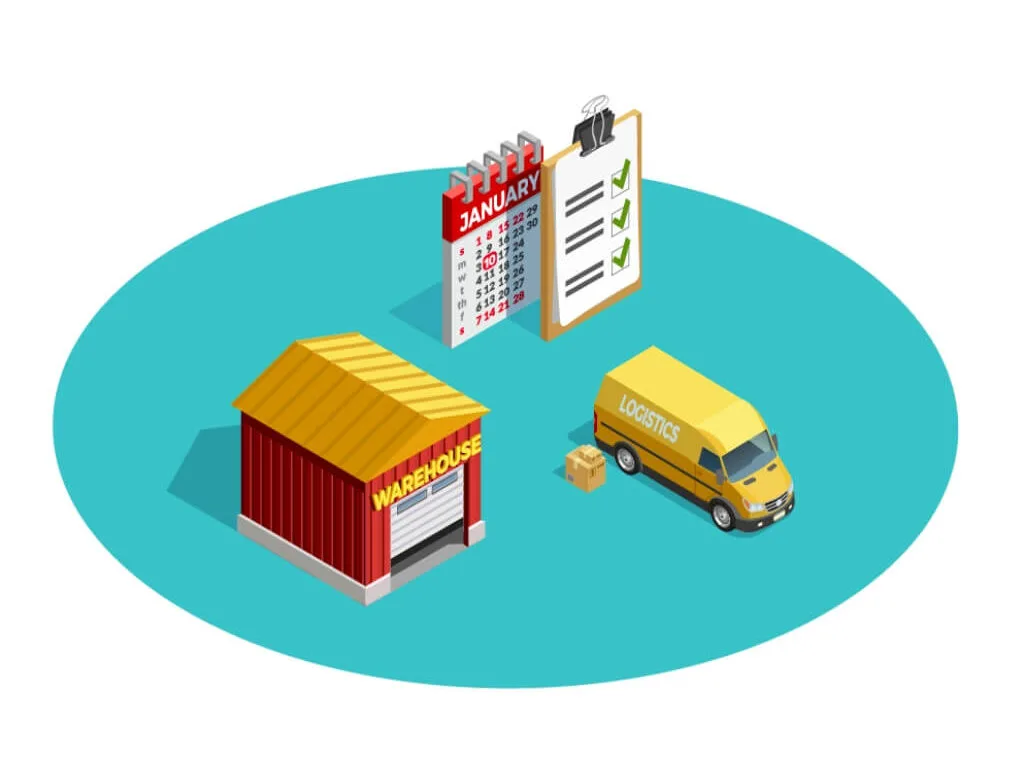
A third-party logistics provider (3PL) runs transport, warehousing and distribution for manufacturers and retailers. Unlike a plain transport company, a 3PL works inside its customer's processes, so its software matters as much as its trucks. Businesses outsource logistics for three main reasons:
- Lower cost. 3PLs own or partner with fleets and warehouses and offer lower prices at scale.
- Focus. The manufacturer focuses on its product, not on trucks and storage.
- Less capital. No need to invest in vehicles, warehouses or land to start or grow.
What holds 3PLs back
Some businesses still keep logistics in-house. The usual reasons: logistics partners that lag behind in technology, a lack of transparency, a fragmented transport sector, and thin margins. Customers want a partner on their own level of technology. EPORT helps a logistics operator get there without building software of its own.
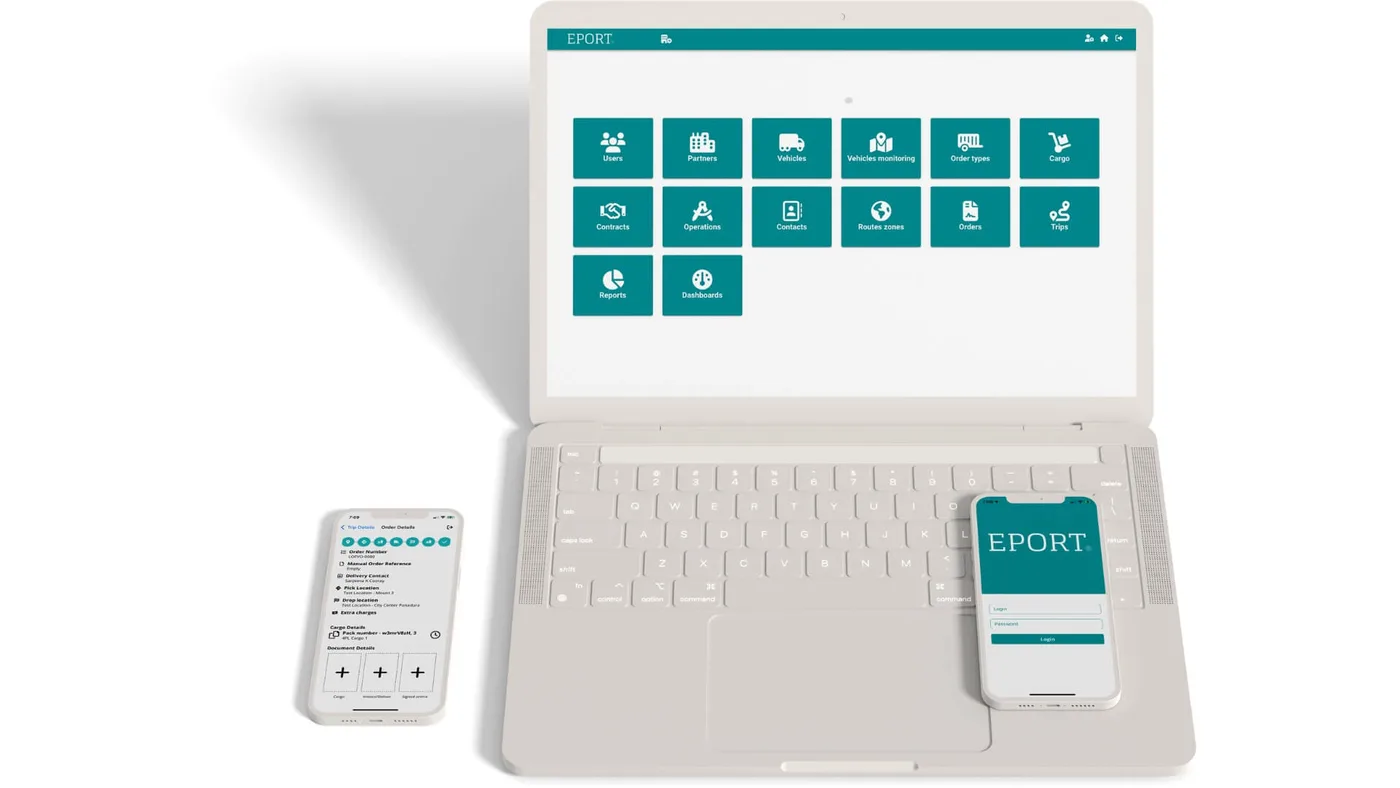
EPORT on the web and on mobile
- Technology: EPORT brings an operator to the level customers expect, with no software development.
- Transparency: every party sees transport, prices, orders, progress and history.
- A fragmented sector: own and third-party fleets, drivers and helpers are managed in one place, with live tracking.
- Thin margins: optimised routes and full loads cut the cost of every trip.
One ecosystem, every level of logistics
1PL: cargo owners
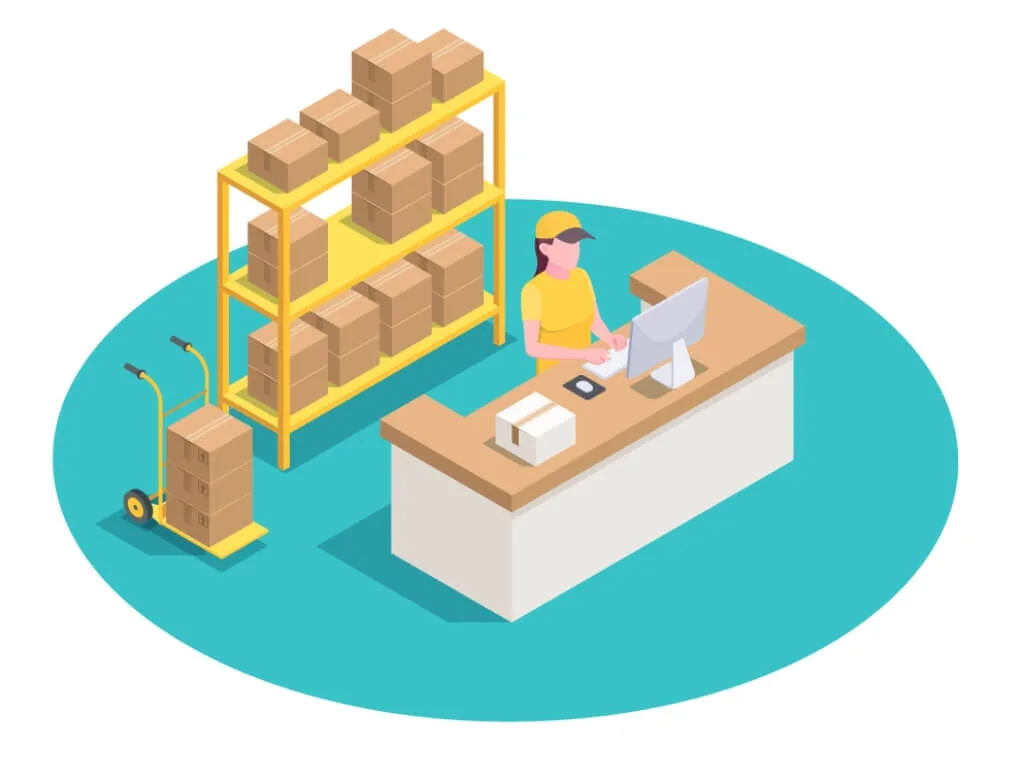
Manufacturers and cargo owners create orders and pass them to their logistics partners under agreed contracts. They describe each order precisely (cargo type, quantity, vehicle type, pickup and drop-off times, loading time), review the expected route, distance and price before the trip, and follow progress on the map. Named contacts at each destination get delivery alerts.
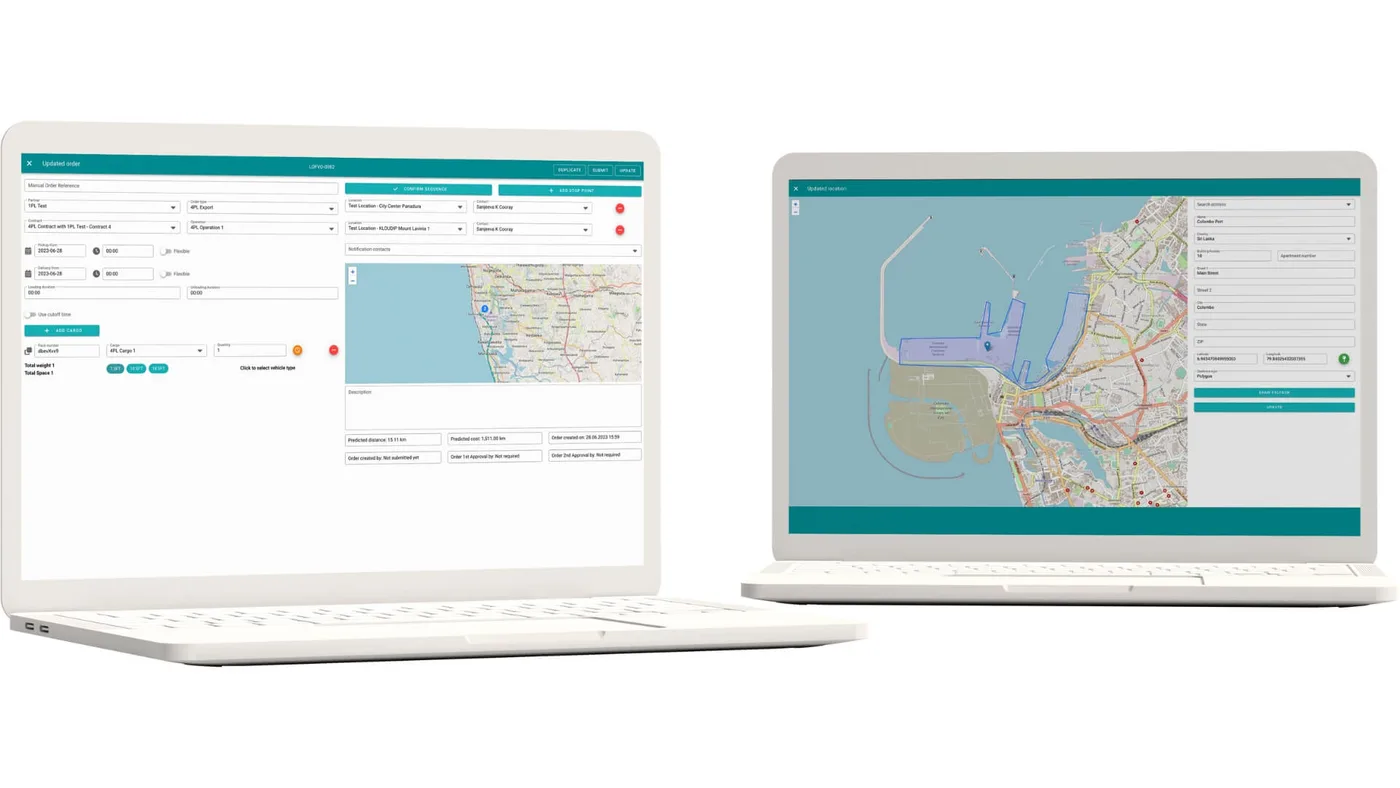
Order placement and tracking
Fleet owners
Fleet owners add their vehicles, drivers and helpers: dimensions, capacity, loading options, documents, licences and contact details. EPORT then picks the best-suited vehicle for each order, and blocks vehicles or drivers whose permits have expired, which spares owners from fines.
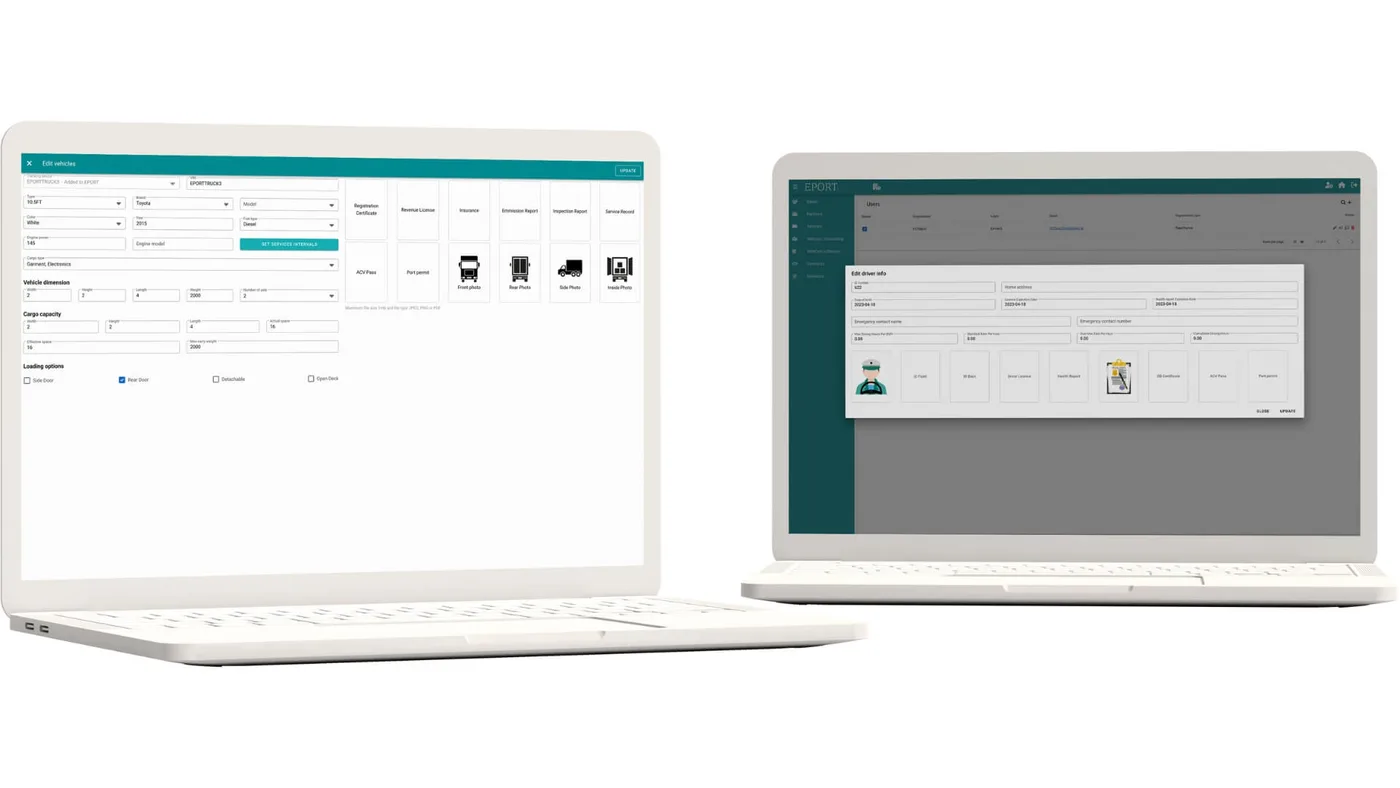
Vehicle and driver database
2PL: fleet providers
2PLs gather vehicles from many fleet owners and supply them to 3PL and 4PL operators from a single point.
3PL: logistics operators
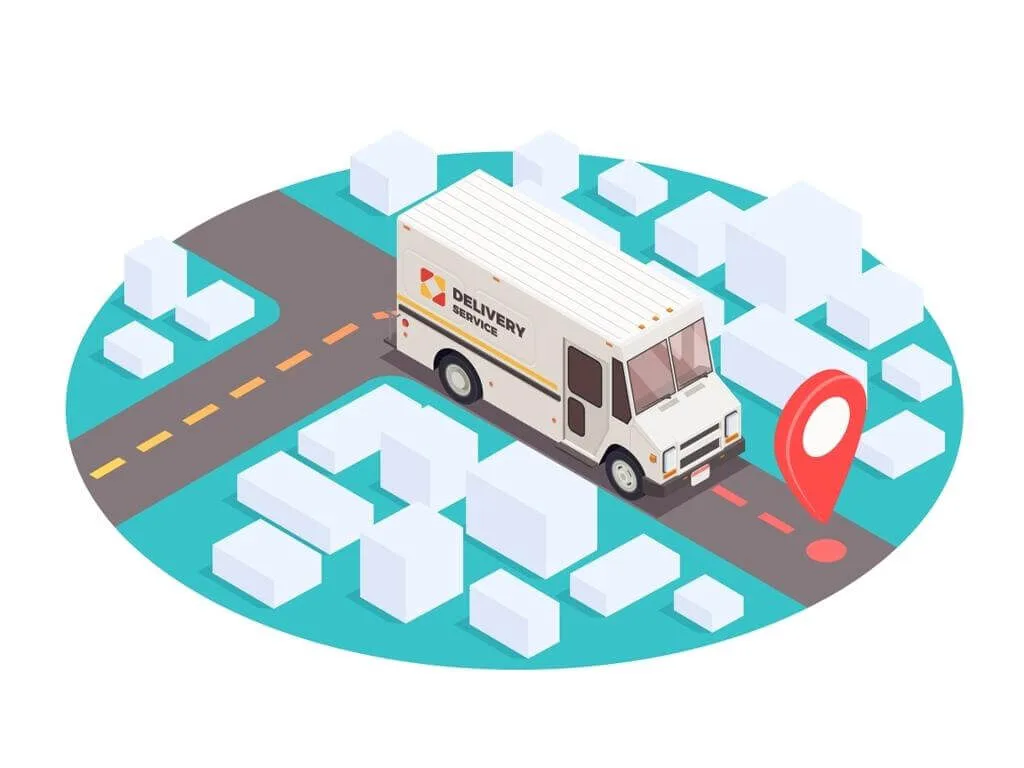
3PLs receive orders, assign them to vehicles and start trips. EPORT keeps every trip efficient:
- Vehicle vs cargo: matches truck capacity to cargo weight and volume.
- Order grouping: filters orders by origin or destination and builds trips from them.
- Routes: fastest, shortest or traffic-free routes; reorder stops and see the new distance and arrival times at once.
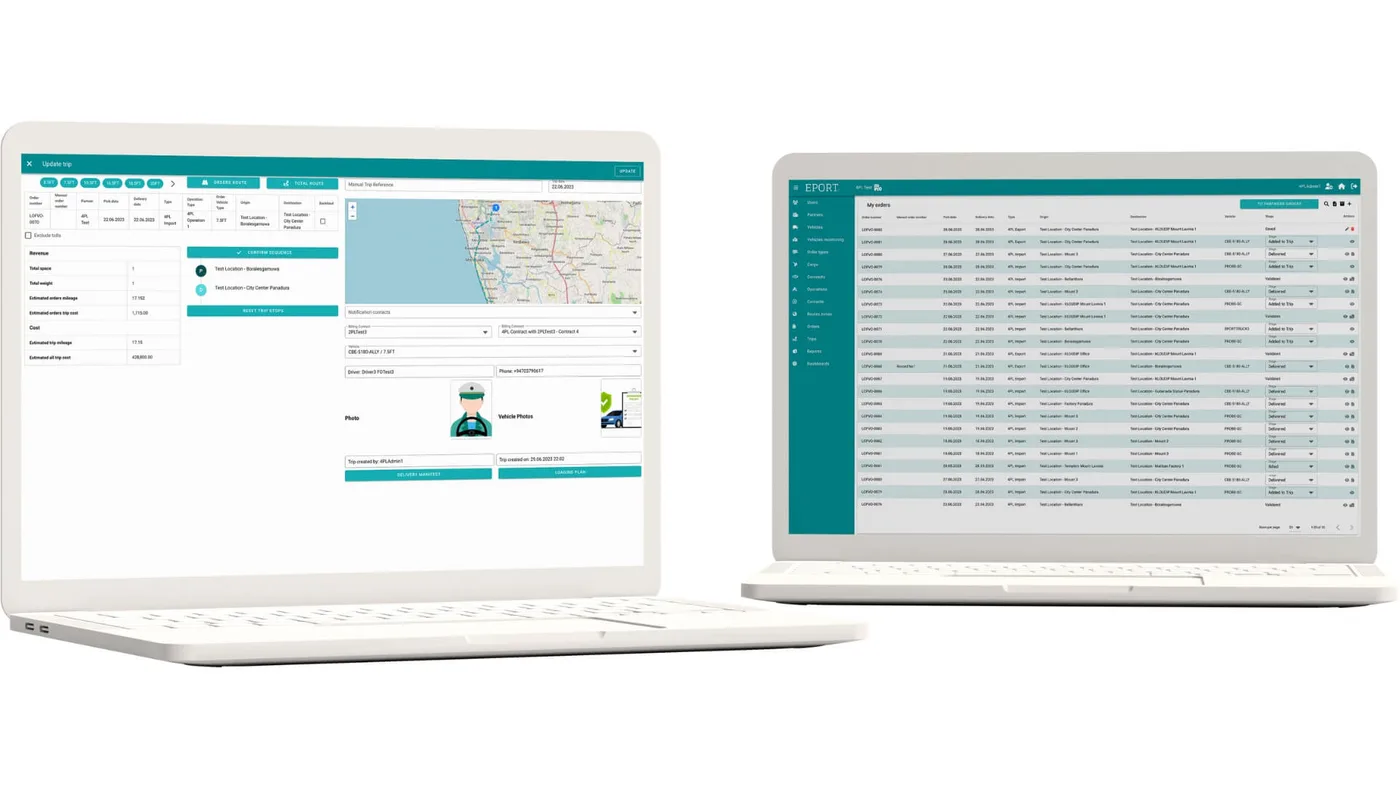
Trip and order management
When the trip is done, waybills, manifests and reports are generated automatically from the data already in the system.
4PL: large organisations
4PLs have their own internal cargo owners and work with several 3PLs and fleet providers. EPORT gives them combined 1PL and 3PL functions in one account. A live dashboard shows order status (loading, in transit, delivered, delayed, waiting), vehicle use by supplier, and cost against revenue, filtered by customer, location, order type, vehicle type or date.
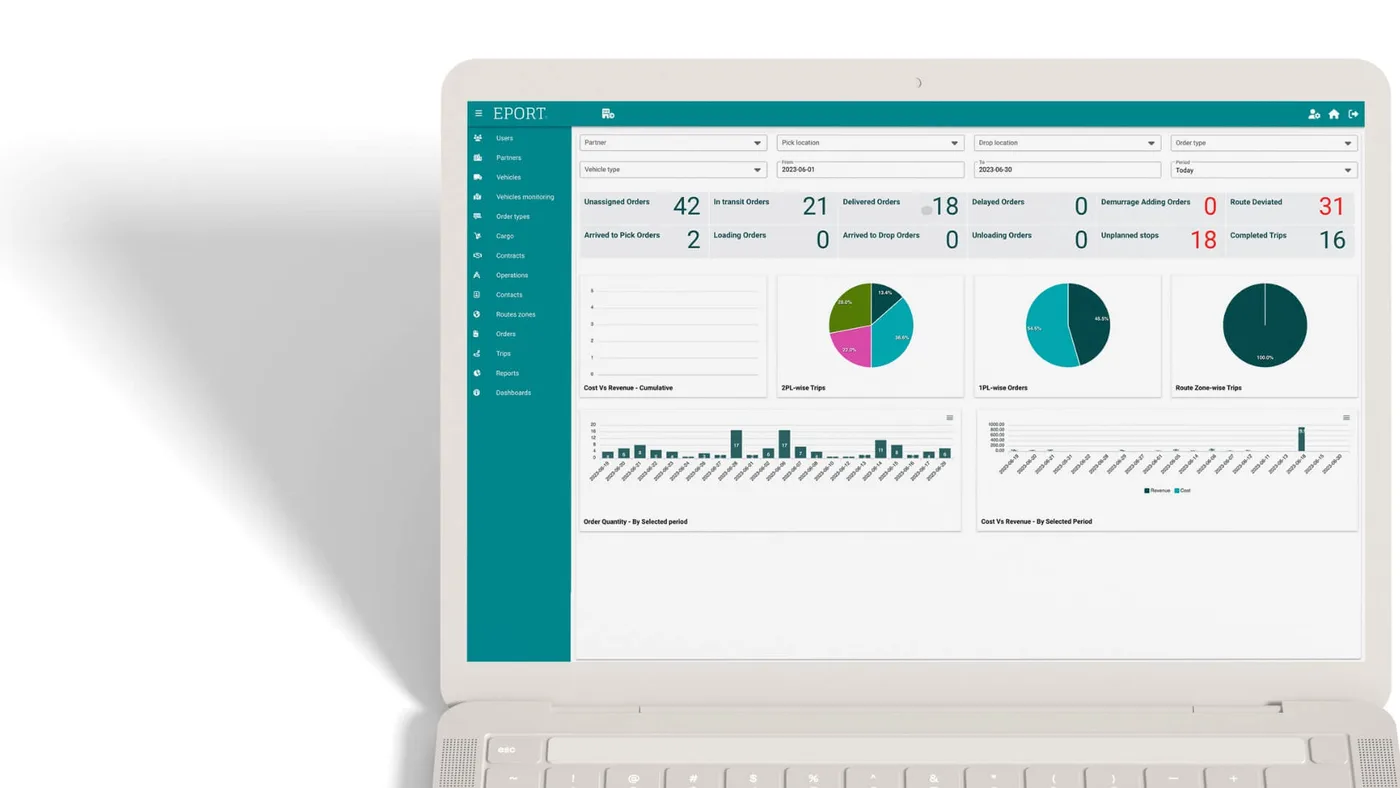
Live KPI dashboard
5PL: integrators
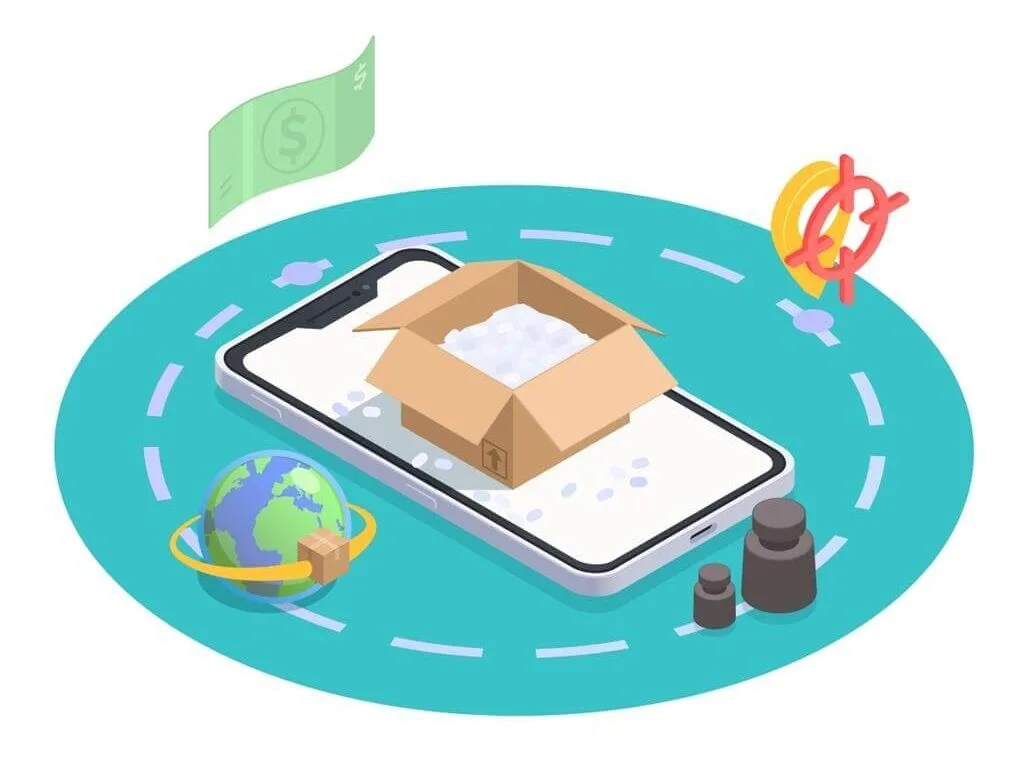
5PLs provide EPORT to several logistics companies in a region and run the platform for them, so operators can focus on logistics instead of administration.
Billing that follows your contracts
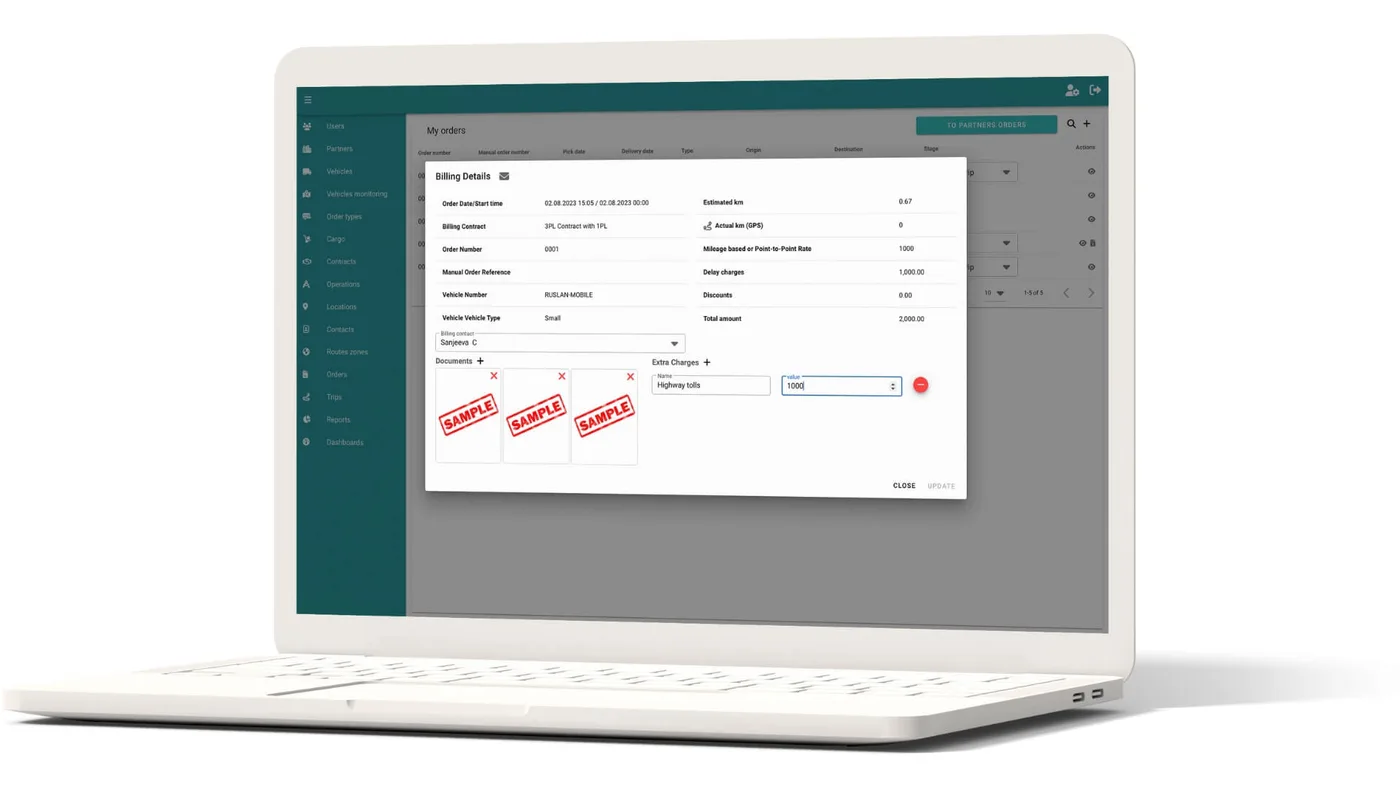
Billing matrix
EPORT's billing matrix is built from the contracts between cargo owners, operators and fleet suppliers. Invoices are generated automatically from cargo and vehicle type, distance, volume, delay fees, extra charges and discounts, keeping prices fair for customers and margins healthy for operators.
The driver app
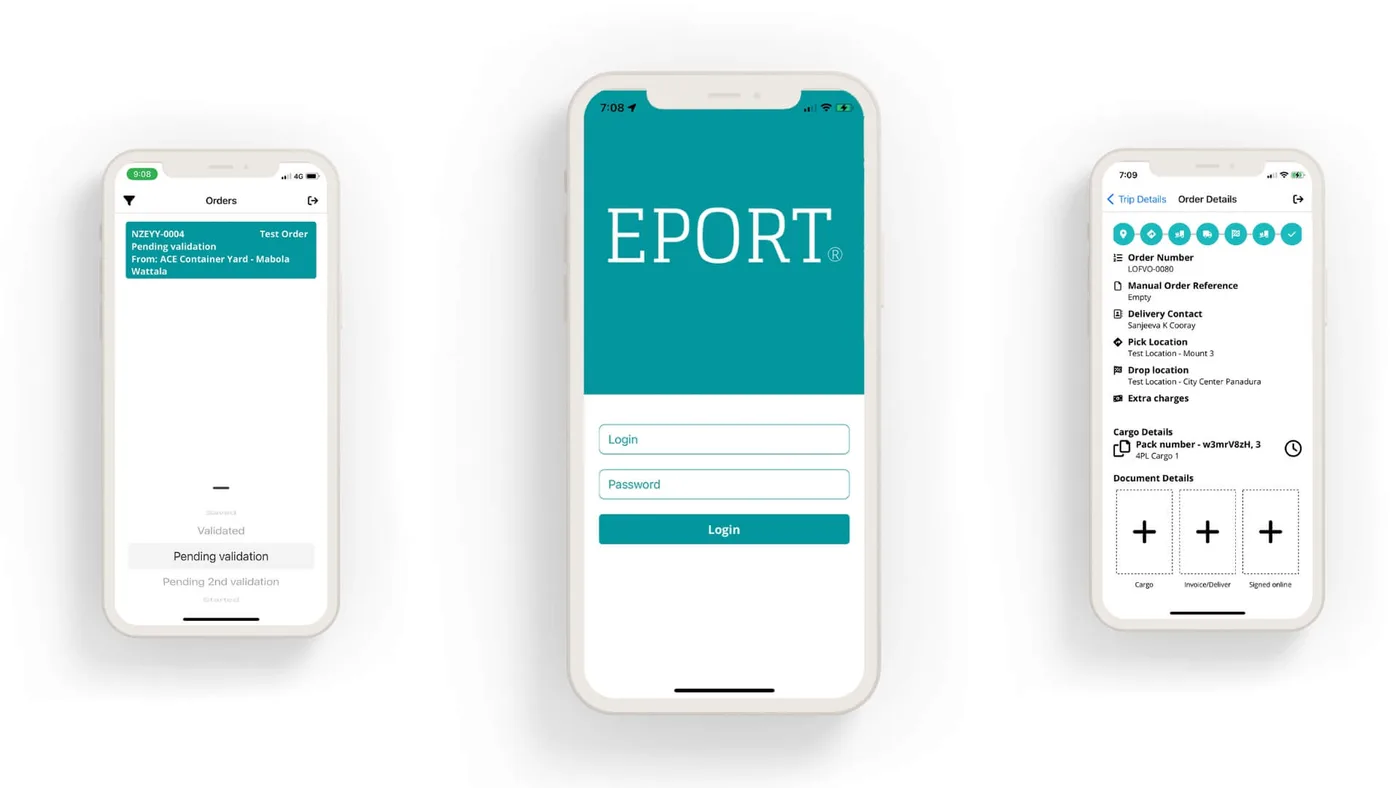
EPORT driver app
- Navigation through the planned stops, synced with the web system in real time.
- Package tracking for every item on board.
- Proof of delivery captured in the app to close each drop.
- Documents uploaded from the road, so billing starts sooner.
The app is available on iOS and Android.
See EPORT in action
In short
- One system for the full logistics chain.
- Route and load planning that cut cost per trip.
- Flexible, contract-based billing.
- Automatic documents and live updates for customers.
3PLs find carriers. Carriers find customers. Customers get modern logistics backed by telematics. Read more on the EPORT website.
Frequently asked questions
What is 3PL logistics software?
Software that lets a third-party logistics provider take orders, plan loads and routes, run trips, prove delivery and bill customers and carriers in one place.
Can EPORT manage trucks we do not own?
Yes. Fleet owners and 2PL providers add their vehicles and drivers, and operators assign orders to them like their own fleet.
Does EPORT have a driver app?
Yes, on iOS and Android, with navigation, package tracking, proof of delivery and document upload.
Talk to us
Run logistics, distribution or deliveries? See how EPORT fits your operation. Contact KLOUDIP
First published on KLOUD LIVE in March 2023. Updated and revised in November 2026.